Booking the ceremony space is only half the job. The other half — where everyone actually sleeps — shapes the entire weekend more than most couples expect going in. A wedding venue and accommodation that work together as a single property change the whole rhythm of the event: no shuttle buses, no guests scattered across three different hotels, no late-night drives after the last dance. A venue and lodging that are separate, by contrast, add logistics that can quietly eat into the budget and the experience alike.
Here’s how to think through choosing a wedding venue with accommodation, and what actually matters once you start comparing options.
Why Venue and Accommodation Should Be Evaluated Together
Couples often start venue shopping by picturing the ceremony and reception spaces, then treat lodging as an afterthought — something to sort out once the date and location are locked in. That order of operations tends to create problems later. A stunning ceremony site with no nearby lodging means guests are driving in from wherever rooms are available, which affects everything from the timeline to how late the reception can realistically run.
Evaluating venue and accommodation together from the start avoids that scramble. It also tends to reveal the properties genuinely built for weddings, since venues that have thought through overnight lodging usually have thought through the rest of the logistics too.
What to Look for in a Wedding Venue and Accommodation Package
- On-site or walking-distance lodging. The strongest option is a venue where guests can walk from their room to the ceremony, the reception, and back, without needing a car or a shuttle. This matters most for older guests, families with young kids, and anyone planning to have a drink or two at the reception.
- Enough capacity for your actual guest list. A venue advertising “on-site lodging” isn’t useful if it only sleeps 15 people and the wedding party alone is 20. Confirm the real overnight capacity early, and compare it honestly against your guest count — not just the venue’s total event capacity, which is often a separate, larger number.
- A single point of coordination. When the ceremony space, reception space, and lodging are all part of one property, there’s one team handling setup, timing, and logistics — instead of a couple trying to sync a separate venue, hotel block, and shuttle company.
- Flexibility for a multi-day event. Weddings increasingly run Friday through Sunday rather than a single evening. A venue with accommodation supports that naturally, since guests are already staying on-site for a welcome dinner, the wedding itself, and a next-day brunch, without needing to change locations.
- A setting that works for photos and downtime alike. Lodging that’s part of the same property as the ceremony space often shares the same scenic backdrop — meaning morning-of photos, golden hour portraits, and next-day breakfast all happen in the same beautiful setting, not a generic hotel lobby.
A Real Example: Ketterman Ranch
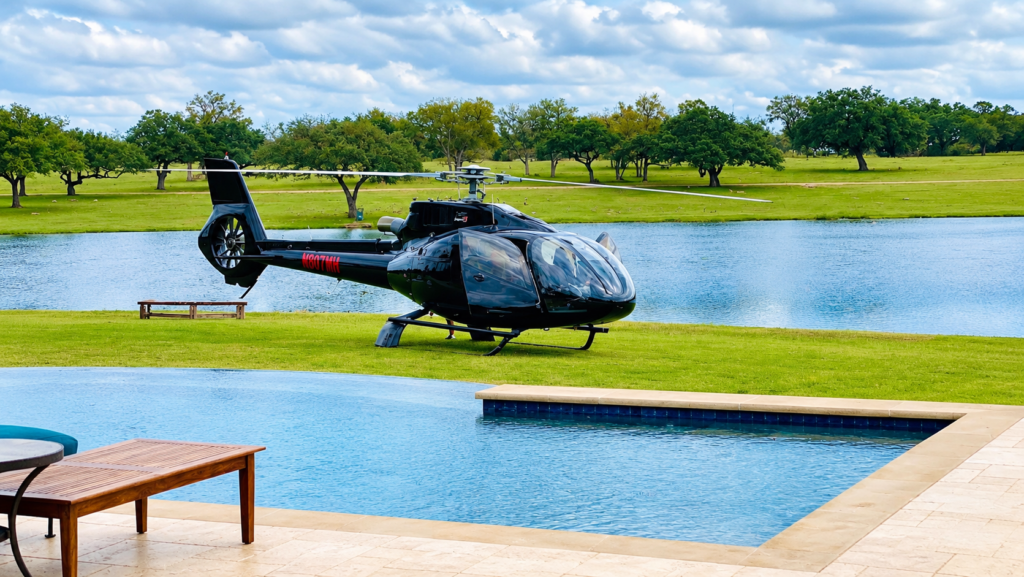
Ketterman Ranch, a private 1,228-acre property in the Texas Hill Country between Marble Falls and Burnet, is a useful example of what a genuinely integrated wedding venue and accommodation model looks like. The ranch offers luxury accommodations for up to 50 overnight guests, centered around the Main Lodge, with its warm wood finishes, grand stone fireplaces, and rich textures.
Because the property operates as a private, exclusive-use setting rather than a public venue booked alongside other events, a wedding at Ketterman Ranch doesn’t require coordinating lodging separately from the ceremony and reception spaces. Guests staying on-site wake up on the same land where the wedding takes place, with the ranch’s lake views and open Hill Country scenery as a constant backdrop rather than something guests have to drive to reach.
For a couple weighing whether a venue-plus-lodging model is worth it, a property like this illustrates the core benefit directly: everyone is already where they need to be, for the welcome dinner, the ceremony, the reception, and the next morning, without a single shuttle schedule to manage.
How Lodging Shapes the Wedding Timeline Itself
It’s worth thinking beyond just where guests sleep to how lodging actually changes the shape of the wedding day. When guests are staying off-site, the reception has a natural, often unwanted deadline — the point at which people need to start driving back to hotels, especially if a shuttle service has a last pickup time. That can mean cutting the dancing short or watching the room empty out well before the couple is ready to call it a night.
A venue with on-site accommodation removes that pressure entirely. The reception can run as late as the couple wants, since no one needs to drive anywhere afterward. It also opens up the wedding weekend beyond a single evening — a welcome dinner the night before, a relaxed brunch the morning after, or even a full day of activities for guests who’ve traveled a distance to attend. Couples planning a true multi-day celebration, rather than a single four-hour event, tend to get the most value out of choosing a wedding venue and accommodation together from the start, since the whole weekend can unfold on one property without anyone needing to pack up and relocate partway through.
Budgeting for a Combined Venue and Accommodation Booking
Cost comparisons between a combined property and a separate venue-plus-hotel-block approach aren’t always straightforward, and it’s worth running the numbers carefully rather than assuming one is automatically cheaper. A private property with on-site lodging often prices as a package — covering the venue, overnight stays, and sometimes meals together — which can simplify budgeting even if the upfront number looks larger than a standalone venue rental. A separate hotel block, by comparison, usually means negotiating room rates independently, and guests typically cover their own lodging cost directly, which shifts part of the expense away from the couple but adds a layer of coordination they’re still responsible for managing.
The other cost to weigh is transportation. Booking a venue without on-site lodging often means budgeting for shuttles between the hotel and the event space, which adds both cost and a logistical dependency on the day of the wedding. A combined property eliminates that line item entirely, since there’s nowhere else guests need to be transported to.
Questions to Ask Before Booking
A few direct questions help separate a venue that only advertises accommodation from one that’s genuinely built around it:
- How many guests can actually stay overnight, and in what configuration? Get specifics — suites, shared lodges, or separate cabins — not just a total headcount.
- Is the property private for our event, or shared with other bookings? A venue hosting two weddings the same weekend, even in separate spaces, changes the experience for lodging guests sharing common areas.
- What’s the actual walking distance between lodging and the ceremony or reception space? “On-site” can mean a two-minute walk or a ten-minute drive between buildings — confirm which one applies.
- How is a larger guest list handled if it exceeds on-site capacity? Many venues can accommodate the wedding party and immediate family on-site while directing additional guests to nearby lodging — worth understanding early if your guest list is large.
- Does the venue coordinate directly with lodging, or are they separate vendors? A single point of contact for both venue and accommodation logistics generally means a smoother planning process than juggling two separate bookings.
Weighing the Trade-Offs
A combined wedding venue and accommodation isn’t automatically the right choice for every couple. A destination city with a strong hotel scene might offer more lodging variety and price points than a single private property can, which matters for guest lists with a wide range of budgets. Couples planning a very large wedding may also find that no single venue’s on-site capacity covers the full guest list, making a hybrid approach — some guests on-site, others at a nearby hotel block — more practical.
That said, for weddings prioritizing intimacy, a cohesive setting, and minimal guest logistics, a property built around both the event and the overnight stay tends to deliver a smoother, more connected experience than piecing together a venue and a hotel block independently.
Frequently Asked Questions
What’s the main advantage of a wedding venue with on-site accommodation?
It removes the need for guests to travel between the ceremony, reception, and their lodging, which simplifies the timeline and lets a wedding weekend flow as one continuous experience rather than several separate events.
Is Ketterman Ranch open to the public for weddings?
Ketterman Ranch operates as a private, members-only club, with a limited number of private events, including weddings, available outside its regular membership base.
What if my guest list is larger than the venue’s on-site capacity?
Many couples handle this by housing the wedding party and immediate family on-site, while directing additional guests to a nearby hotel block — worth discussing directly with any venue you’re considering.