A great corporate retreat does not happen by accident. The location, the headcount, the balance between working sessions and shared experiences—each decision either pulls a team closer together or quietly works against you. If you are scoping a corporate retreat in the Texas Hill Country, this guide walks through the planning decisions that matter most, in roughly the order you will face them.
It is written from the perspective of a private ranch venue, but the framework applies whether you are planning an executive board meeting for eight or a company-wide off-site for fifty.
Start with the outcome, not the venue
Before you compare locations, get specific about what the retreat is for. “Team bonding” is not an objective—it is a hope. The strongest off-sites are built around one or two concrete outcomes:
- Strategic alignment. Leadership needs uninterrupted time to set direction for the next year.
- Cohesion after a period of change. A merger, rapid hiring, or a shift to remote work has left the team feeling disconnected.
- Reward and recognition. The year was hard, the numbers were hit, and the team has earned something memorable.
Your objective drives everything downstream—how many days you need, how much structured time versus open time, and what kind of setting actually serves the goal. A reward retreat and a strategy intensive look almost nothing alike.
Why location does more work than you think
The single biggest predictor of whether people stay present is whether they can leave. A hotel ballroom downtown means attendees slip out for calls, drift back to their rooms, or treat the evenings as free time in the city. A private property an hour outside Austin removes that pull entirely. People are there, together, for the duration.
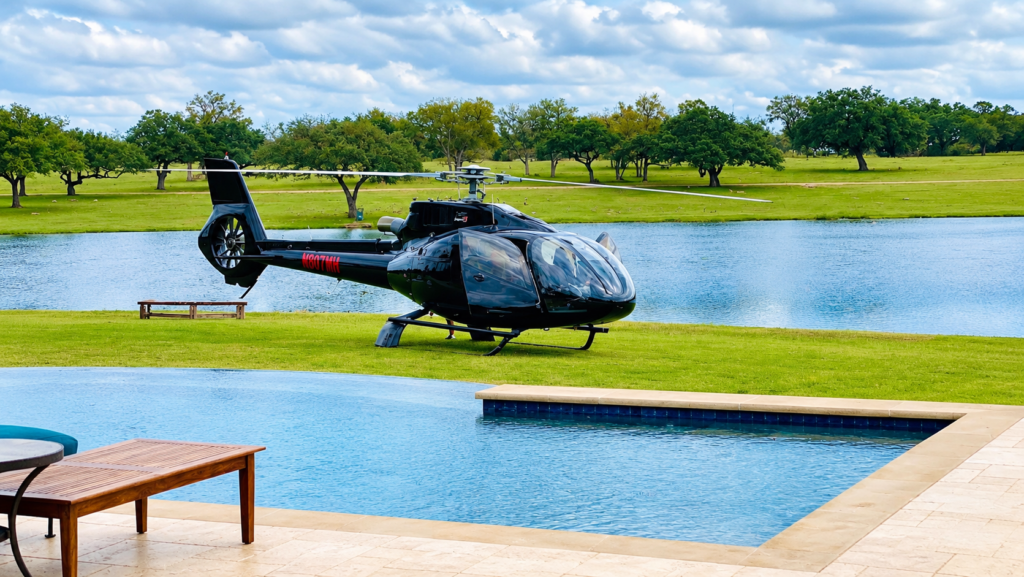
The Hill Country is well suited to this for a simple reason: it is remote enough to feel like a genuine escape, but close enough to a major airport that you are not burning a full travel day on each end. A venue like Ketterman Ranch—1,228 private acres between Marble Falls and Burnet—sits about an hour from downtown Austin, which keeps logistics manageable while still delivering total seclusion. We make the case for why this beats a conventional hotel in more depth in why executives are choosing a Texas ranch over a hotel.
Size the retreat: headcount and overnight lodging
Headcount shapes your venue options more than any other single variable. Decide early whether this is an intimate leadership gathering or a larger group, because the two require very different properties.
For overnight retreats, confirm the venue’s sleeping capacity before anything else. Ketterman Ranch, for example, accommodates up to 50 overnight guests across its lodging, with the Main Lodge serving as the social and working heart of the property. If your group is larger than a venue’s overnight capacity, you either split lodging across locations—which undermines the whole point of being together—or you choose a different property. Settle this first.
Build an agenda that breathes
The most common planning mistake is over-programming. Teams arrive already tired, and a back-to-back agenda from 7 a.m. to 10 p.m. produces diminishing returns by day two. A better rhythm looks like this:
- Mornings: the heaviest cognitive work—strategy sessions, planning, hard conversations.
- Afternoons: shared experiences that build trust without a slide deck in sight.
- Evenings: unstructured time over a good meal, where the real conversations tend to happen.
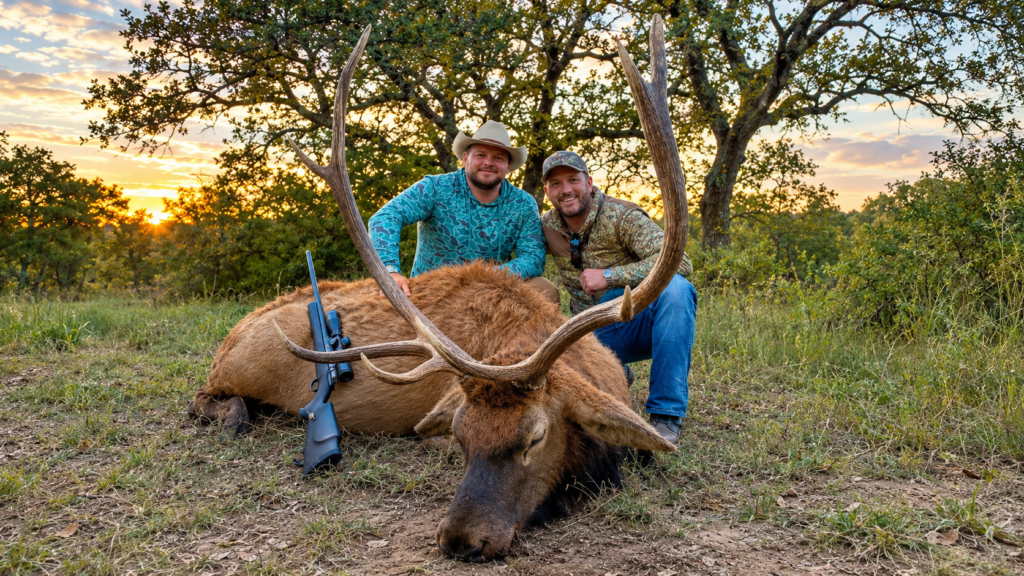
The afternoon block is where a ranch setting earns its keep. Instead of a trust-fall exercise in a conference room, your team can share something genuinely novel—which is exactly what makes it stick. We pulled together specific ideas in 7 team-building activities for a Hill Country ranch retreat.
Sort out food and dietary needs early
Food is one of the few parts of a retreat every single attendee experiences, multiple times a day—so it disproportionately shapes how the trip is remembered. Confirm dining arrangements when you book, not the week before.
Get a clear read on dietary requirements across the group early: allergies, vegetarian and vegan needs, and any religious dietary observance. If you are hosting a group with kosher requirements, that needs to be designed in from the start rather than improvised—Ketterman Ranch maintains a dedicated approach to kosher-friendly events and retreats for exactly this reason.
Plan the logistics: getting there and getting around
Map the journey from your team’s starting points. For most groups coming through Austin-Bergstrom, the drive into the Hill Country is straightforward, but you should decide in advance whether people self-drive, you arrange shared transport, or a mix. Shared transport tends to start the bonding before anyone arrives.
Once on a large property, also think about movement within the venue—how people get from lodging to meeting spaces to activities. On a 1,228-acre ranch this is part of the experience rather than a hassle, but it is worth understanding the layout so your agenda timing is realistic.
Give yourself a realistic booking timeline
Private, high-demand venues book further out than most planners expect, particularly for the spring and fall windows when Hill Country weather is at its best. As a rule of thumb:
- 3–6 months ahead for a standard off-site.
- 6–9 months ahead if you need a specific peak-season date or a full-property buyout.
The earlier you lock the date, the more the venue can tailor the experience around your objective. When you are ready to talk dates and headcount, the fastest path is to start a conversation about your retreat.
Frequently asked questions
How far in advance should I book a corporate retreat in the Texas Hill Country?
Plan on three to six months for most off-sites, and six to nine months if you need a peak spring or fall date or a full-property buyout. Private venues with limited availability book earlier than hotels.
How many people can a private ranch retreat accommodate overnight?
It varies by property. Ketterman Ranch accommodates up to 50 overnight guests, which suits everything from an intimate leadership board meeting to a full-team off-site. Always confirm overnight capacity before other details.
How far is the Hill Country from Austin?
Ketterman Ranch sits between Marble Falls and Burnet, roughly an hour from downtown Austin—close enough to avoid losing a travel day, far enough to feel like a true escape.
Can a ranch venue handle special dietary or kosher requirements?
Yes, when planned in advance. Raise dietary needs at booking. Ketterman Ranch offers a dedicated kosher-friendly program for groups that require it.
Ready to start planning?
A retreat built around a clear objective, in a setting that keeps your team present, is one of the highest-leverage investments a leadership team can make. If you are considering the Texas Hill Country, learn more about corporate retreats and events at Ketterman Ranch or get in touch to talk through your dates.